Opens in a new tab

Free Shipping on orders over $150

Corn Genotypes & Isolation

When planting multiple corn varieties, it’s important to understand how cross-pollination can affect kernel quality. In most cases, cross-pollination is not an issue within the same genotype group.

However, if different genotype groups pollinate at the same time, the resulting ears may develop tough, starchy kernels instead of the tender sweetness you were expecting. The best way to prevent this is through isolation.

  • One option is to plant varieties 2–3 weeks earlier or later than neighboring corn so that tasseling and pollination happen at different times. Be sure to consider maturity days and tasseling days carefully. For example, planting a shorter-season corn two weeks after a longer-season corn could still result in both varieties tasseling at the same time.
  • Another option is distance isolation. Plant sweet corn 600–1,000 feet away from other corn to help prevent unwanted cross-pollination.

If you plan to save seed, keep in mind that cross-pollination becomes an issue even within the same genotype group.

All varieties of popcorn, field corn, and dent corn should also be separated.

chatgpt image jun 22 2026 at 03 49 05 pm

See Other Posts

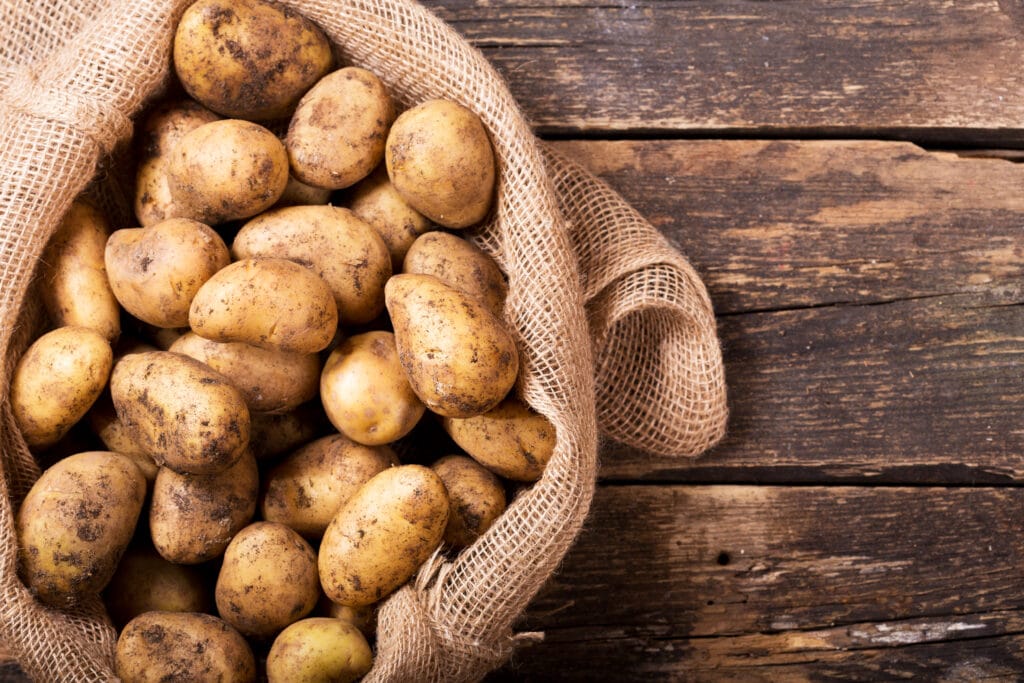
Potatoes

Planting, Harvesting, & Storing Seed Potatoes When to Plant: Plant in early spring for an early crop. Light frost and cool soil are okay after planting. If frost is expected after plants emerge, cover lightly with soil. Plant the main crop for storage after danger of frost has passed. Planting: Potatoes are formed on top…

Read More

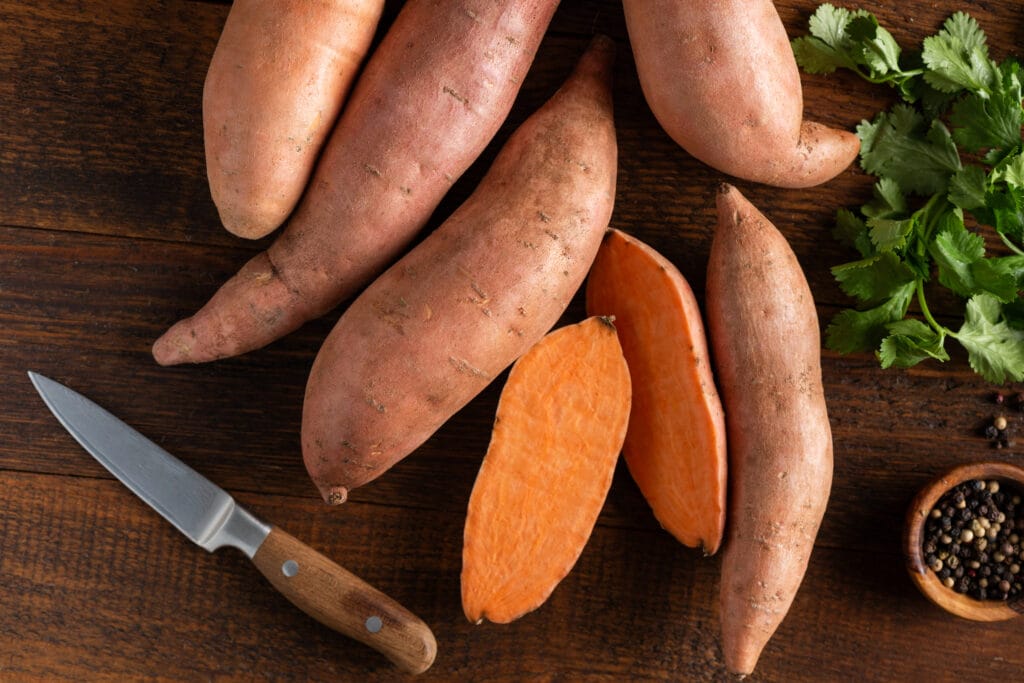
Sweet Potatoes

Growing your own sweet potatoes is easier than you might think. Unlike regular potatoes, sweet potatoes are typically grown from young plants called slips. Give these warm-season plants plenty of sunshine, warm soil, and a little care early in the season, and they can reward you with a generous harvest by fall. Whether this is…

Read More

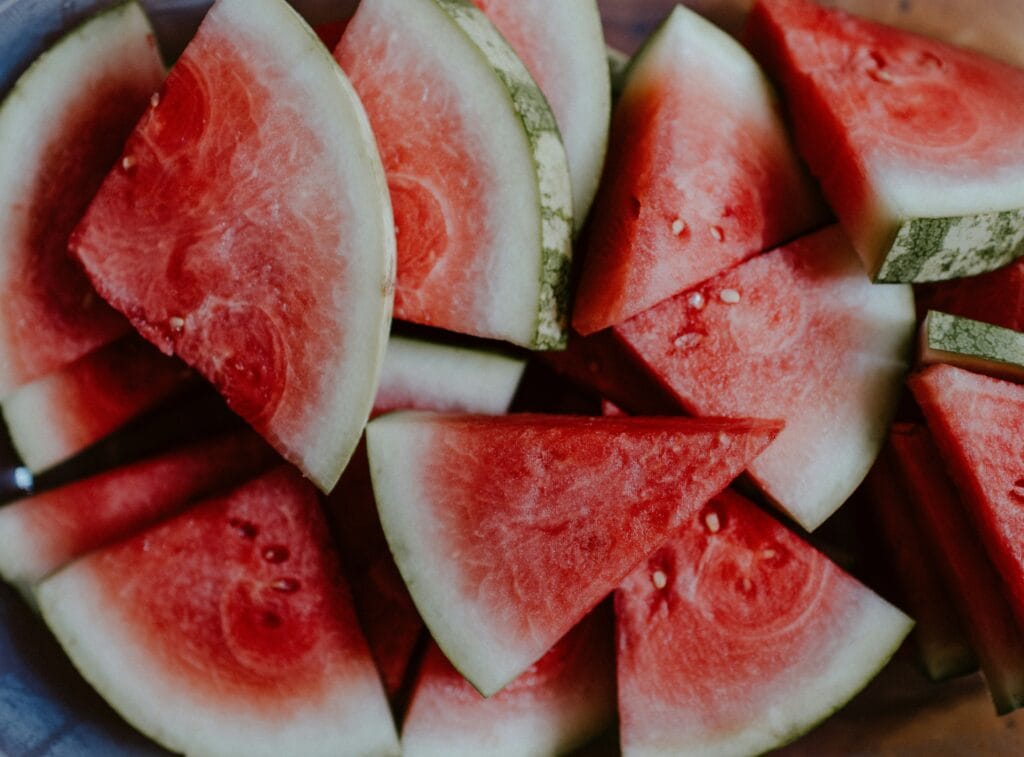
Seedless Triploid Watermelon Production

TRIPLOID WATERMELON (Citrullus lanatus var. lanatus) Hybrid triploid watermelons, commonly called seedless watermelons, are generally more difficult to grow than diploid varieties. They can be grown successfully, though, with some extra care and management. The seedless trait results from crossing a normal seeded diploid parent with a tetraploid parent. Although the fruit is considered seedless,…

Read More

Categories

Categories

Size

Size
  • 1/2 lb. (2)
  • 1/4 lb. (1)
  • 1 lb. (5)
  • 5 lb (2)
  • 5 lb. (10)
  • 10 lb (2)

Your Bag

Your Shopping Bag Is Empty!

Start filling it with seeds and grow something amazing!

Return to Shop

We only offer non-GMO seeds because good food starts with good seed. You’re one step closer to planting something you can feel great about.